
Photo and Commentary ©2024 by Maylan Schurch
Sabbath, July 27, 2024
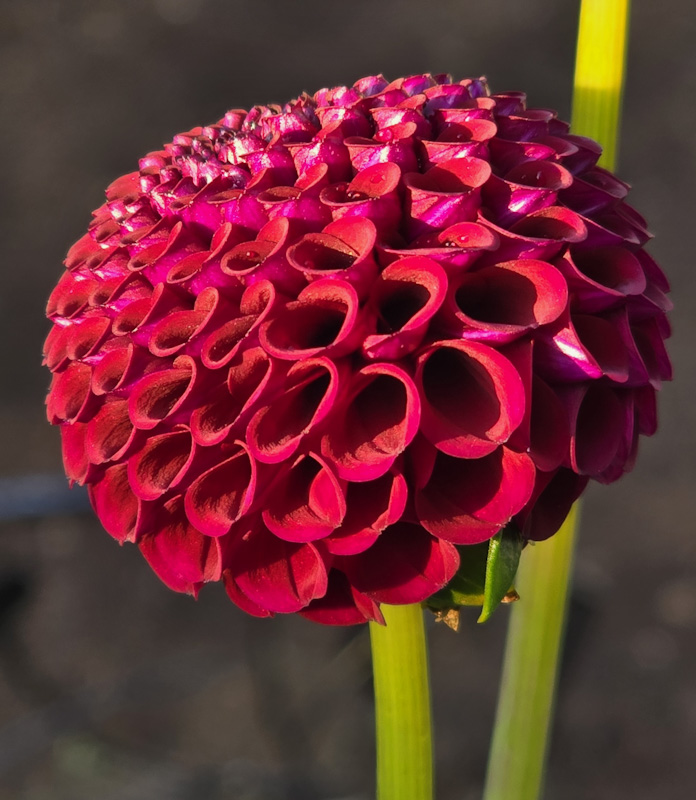
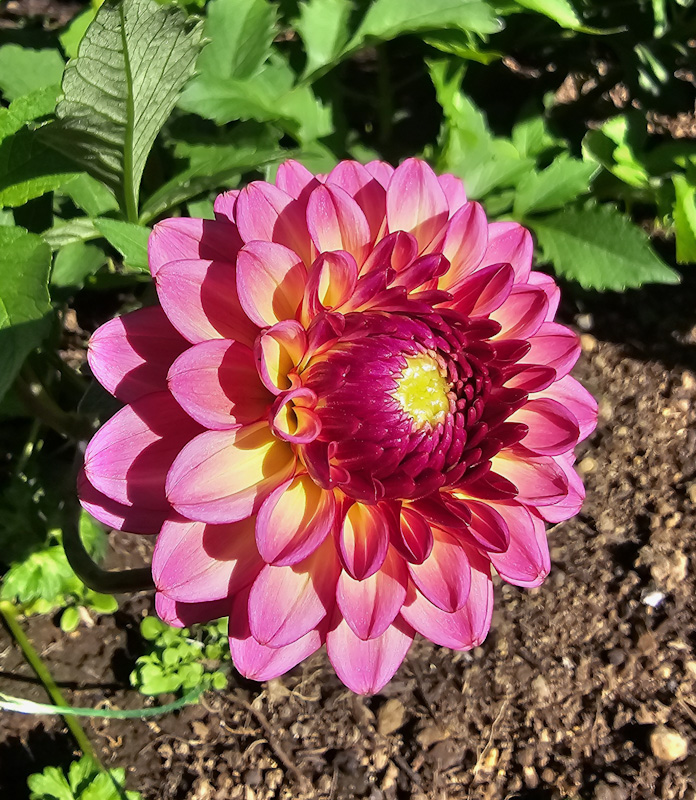
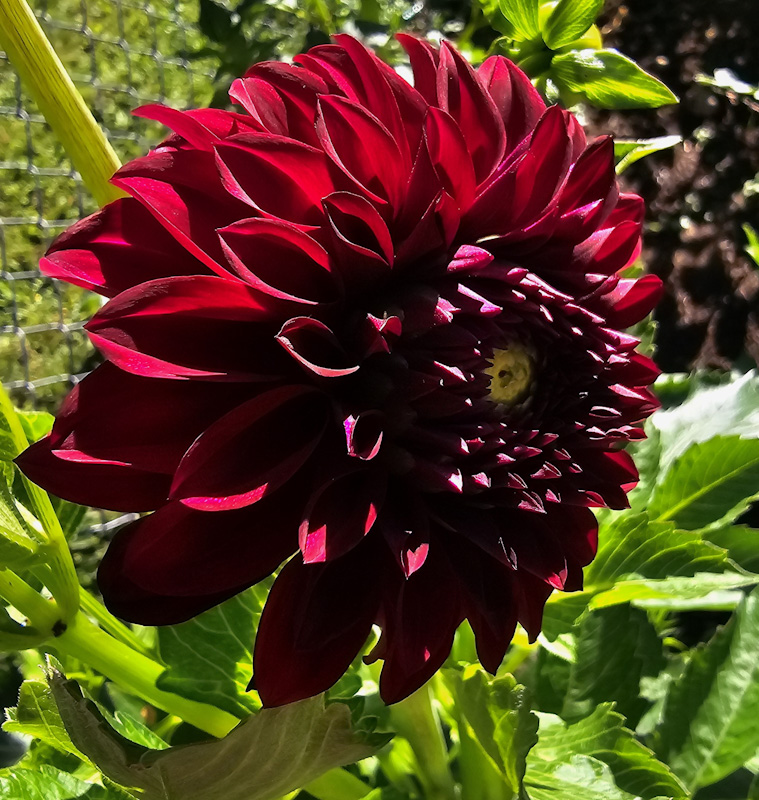
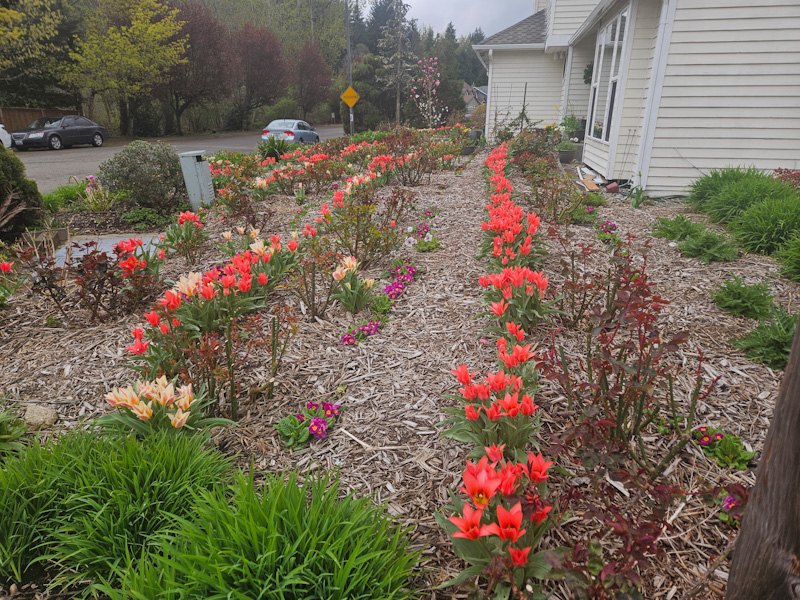
Here’s my final flower garden update. In case you haven’t been following these blogs closely, I hasten to assure you this is not Shelley’s and my garden. It belongs to a neighbor four or five blocks from where we live. These folks have devoted their entire front yard to flowers of various kinds, majoring in roses, and this spring I decided to document how this garden grows.
I snapped the top photo on April 7, and the one below on July 18 from the same position. Isn’t this a fascinating (though faint) reflection of the glories of Eden? And don’t you trust a gardening God who lavishes color upon us?
Here’s an old hymn whose lyrics are by Didrik Petri, translated by Percy Dearmer:
Spring has now unwrapped the flowers,
Day is fast reviving,
Life in all her growing powers
Towards the light is striving:
Gone the iron touch of cold,
Winter time and frost time,
Seedlings, working through the mould,
Now make up for lost time.
Herb and plant that, winter long,
Slumbered at their leisure,
Now bestirring, green and strong,
Find in growth their pleasure;
All the world with beauty fills,
Gold the green enhancing;
Flowers make merry on the hills,
Set the meadows dancing.
Through each wonder of fair days
God Himself expresses;
Beauty follows all His ways,
As the world He blesses:
So, as He renews the earth,
Artist without rival,
In His grace of glad new birth
We must seek revival.