
Photo and Commentary ©2026 by Robert Howson
Tuesday, July 14, 2026
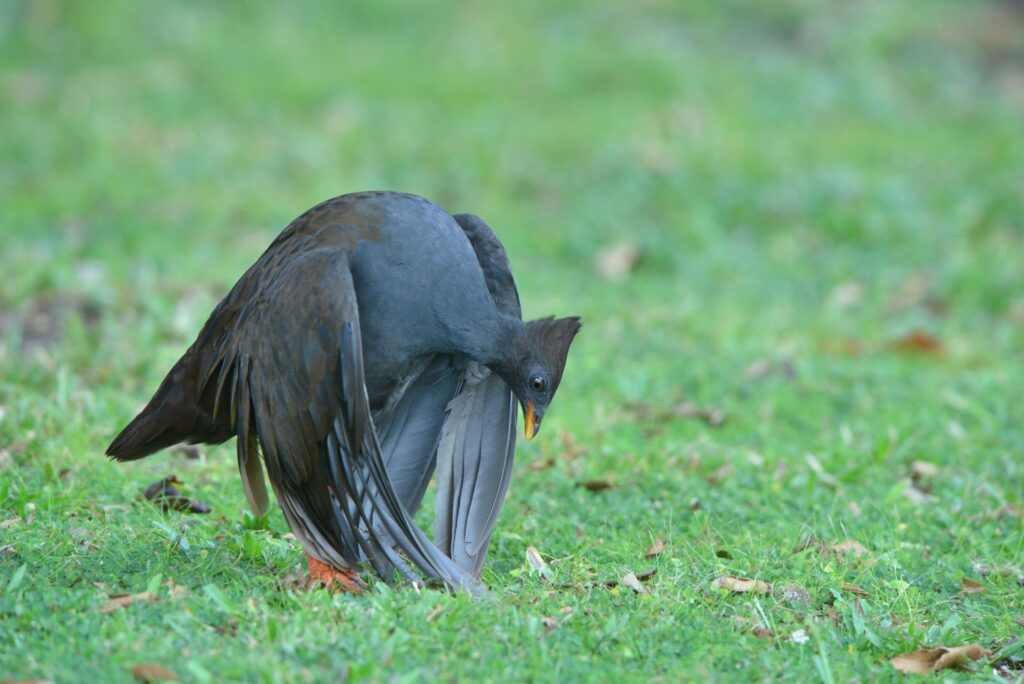
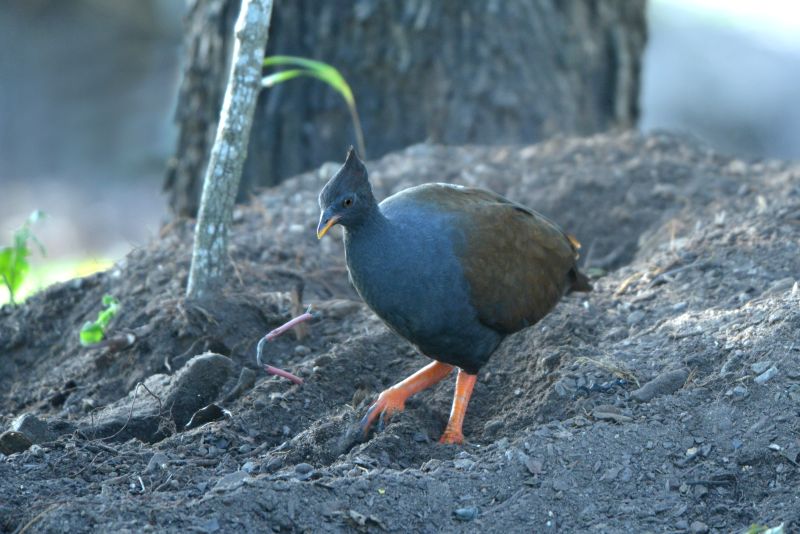
Found in the Lesser Sunda Islands, New Guinea, and northern Australia is one of the 22 species of megapodes which one writer described as being “obsessive-compulsive scratchers”. This bird is the Orange-footed Scrubfowl. This scratching involves not only its method of feeding but also its method of reproduction. About the size of a small domestic chicken, this bird scratches through the litter on the forest floor, feeding on seeds, fallen fruit, and invertebrates that make up much of its diet.
But it’s not the feeding method that we find so unusual, it’s the way this bird raises, or fails to raise its young. Like other megapodes, the scrubfowl gathers together large mounds of organic material into a structure that may reach 15 feet high and 30 feet in diameter and weigh over 50 tons! And it’s into this mound the female, or females, lay their eggs. Neither the male or the female incubate the eggs, but instead rely upon heat generated by the decomposition of the nesting material. This, perhaps along with solar radiation, provides the warmth necessary to hatch the eggs. The parents will dig holes in the mound, apparently to check the temperature, and add or remove material to reach ideal conditions for egg laying and hatching.
When the time comes for hatching after 45 days, the chick kicks its way out of the egg, using its strong feet. It then emerges from the nest, one to two days later, totally unaided by its parents. All of the focus and attentiveness has been spent on construction on the remarkable mound and none on the upbringing of the young, for they must independently claw their way to the surface and then live entirely independent from their parents. Because of this lack of parental support, it’s estimated that in a closely related species the chance of survival runs about 1 out of 200! Not the best of odds.
What a contrast to the picture Jesus painted of His Heavenly Father in Matthew 23:37 where He is compared to a hen that protects her children under her wings. Aren’t you glad that we have this image of a God who cares for us, who watches over us, rather than an absentee scrubfowl that made us and then left us to fend for ourselves?